
ABB’s New Strategic Chapter: Robotics Business to Embark on Independent Journey
We learned some shocking news: industrial giant ABB has made it official that it intends to put forward a historic motion at its 2026 Annual General Meeting – the demerger of its stalwart Robotics business as a standalone, publicly listed company. This strategic move is anticipated to be finalized sometime during the second quarter of 2026, when the newly named “ABB Robotics” (provisional name) will be set afloat on the stock market.
After due deliberation, the Board of Directors of ABB is convinced that this separation of businesses will usher in a golden era of growth for ABB as well as the soon-to-be-independent robotics business. A more focused governance and more agile capital allocation will evidently create more customer value, attract more top talent, and bring more rapid growth for both businesses. ABB will be more concentrated on its long-term strategy in the electrification and automation businesses, building and strengthening its leadership positions.
The Exceptional Strength and Standalone Value of the Robotics Business
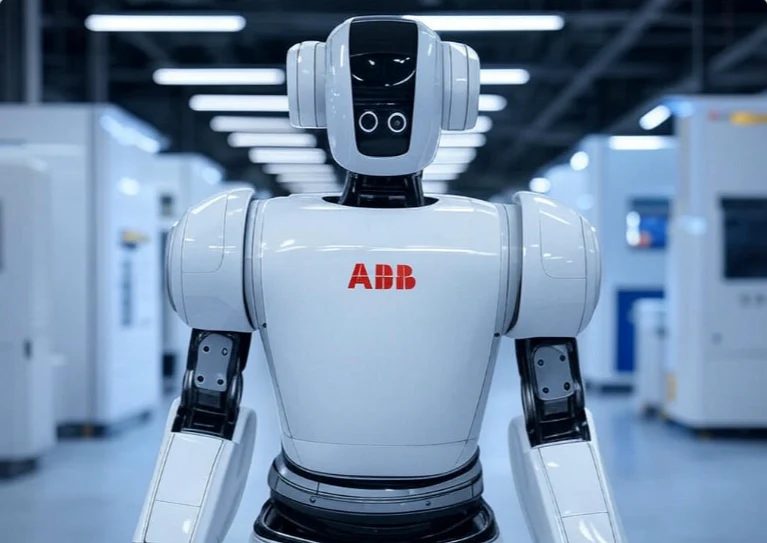
ABB ‘s Robotics business is a market leader. Its intelligent automation solutions are helping customers across the globe dramatically enhance productivity, flexibility, and simplicity of operations, successfully fighting labor shortages and the demand for more sustainable operations. What makes this company so unique is that it boasts the broadest robotics platforms, including Autonomous Mobile Robots (AMRs), advanced software and artificial intelligence technologies, combined with rich industry know-how, serving an extremely wide customer base of traditional and new industrial sectors. More interestingly, over 80% of its offerings and services contain software and AI technology, which certainly constitutes a very significant portion of its core competitiveness.
As ABB Chairman Peter Voser explained, ABB Robotics holds a leadership position in its market; however, its business and technological synergies with other ABB Group businesses are relatively limited, and their market needs and characteristics have a significant extent of divergence. So, we have sound reasons to believe that this separation will help unlock both the potential value of the ABB Group listed as well as that of the separately robotics business, leading to a win-win situation.
Solid Operations and Bright Prospects
ABB CEO Morten Wierod was happy to observe that ABB ‘s Robotics business has performed outstandingly in its peer group. The business has, since 2019 and under the ABB Way decentralized model of operation, delivered double-digit profit margin resilience in most of the quarters. Following a period of unusual order pattern volatility and pre-buys due to supply chain constraints, the market appears to have stabilized and has provided strong support for the business’s order growth.
Moving ahead, ABB Robotics will navigate the global market with a robust capital structure, intensive investment, secure cash flow, and a “local-for-local” business model. Its regional manufacturing hubs in Europe (Sweden), Asia (China), and the Americas (United States) will definitely help it achieve global service and responsiveness.
ABB ‘s Robotics business today employs approximately 7,000 people. The business for 2024 recorded revenues of $2.3 billion, or approximately 7% of ABB Group revenue, and an Operational EBITA margin of 12.1%. Subject to shareholder approval, the spin-off is planned to be executed through a share distribution, where shareholders in ABB Ltd. will receive shares in the new listed company (ie, “ABB Robotics”) proportionally to their existing shareholdings, as a dividend in kind.
ABB
ABB Industrial Automation is a global leader in providing safe, efficient, and sustainable industrial automation technologies and solutions. Below is a brief overview of ABB Industrial Automation’s business areas and product offerings:
Business Areas
- Process Automation
- Industries Served: Oil, gas, chemicals, mining, and power.
- Solutions Provided: Enhancing production efficiency, reducing energy consumption, and minimizing emissions.
- Discrete Automation
- Industries Served: Automotive, electronics, food and beverage, and packaging.
- Solutions Provided: Increasing production flexibility, shortening time-to-market, and lowering production costs.
Product and Solution Portfolio
- Controllers: Freelance 2000, Bailey NET 90
- I/O Modules: S800 I/O Series, S900 I/O Series, ADVANT OCS/800XA
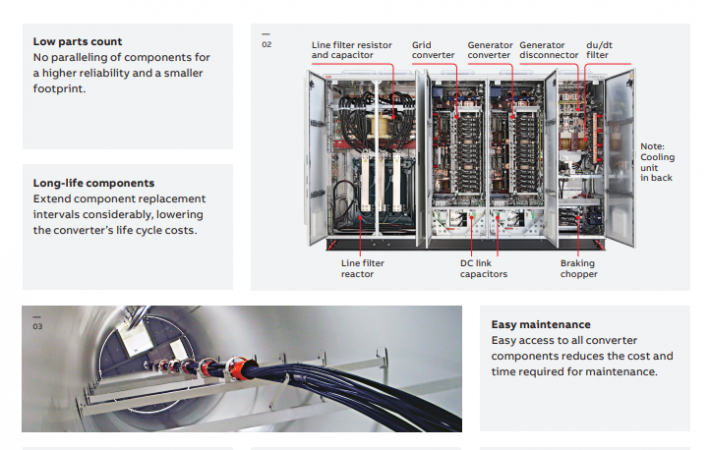
- Drives: ACS, DCS
- Motion Control Modules: IRC, DMC
- Human-Machine Interface (HMI): TM, GP
- Other Modules: DSQC, IGCT/IGBT Module, communication, power, and safety modules

Leave a comment
Your email address will not be published. Required fields are marked *