

product description:
The ABB DI810 digital input module is a high-performance and highly reliable industrial automation component, specifically designed for collecting switch quantity signals. It features 16 channels of digital input, electrical isolation, voltage monitoring, digital filtering and other core functions. It is applicable to various fields such as power, process industry, manufacturing, rail transportation, water treatment, etc.
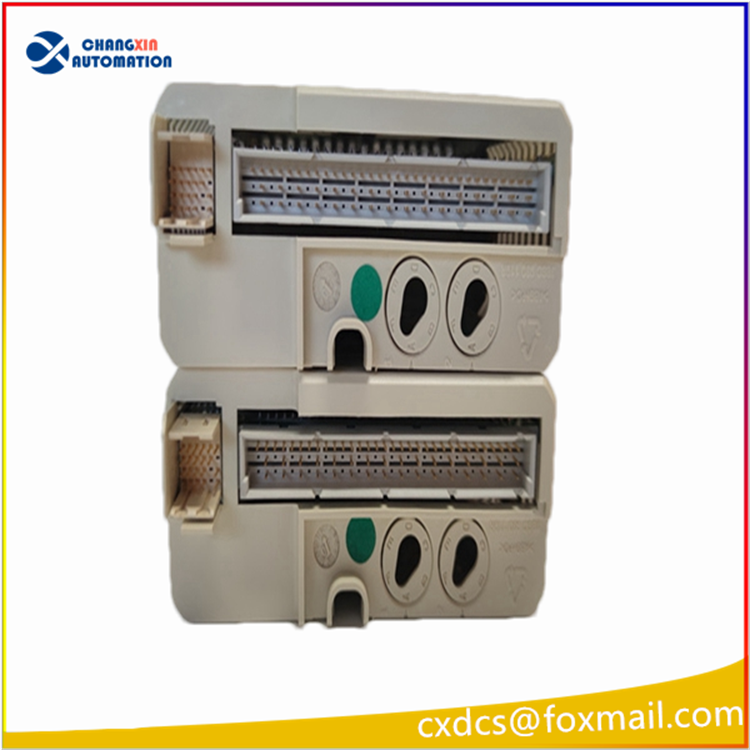
Core Function
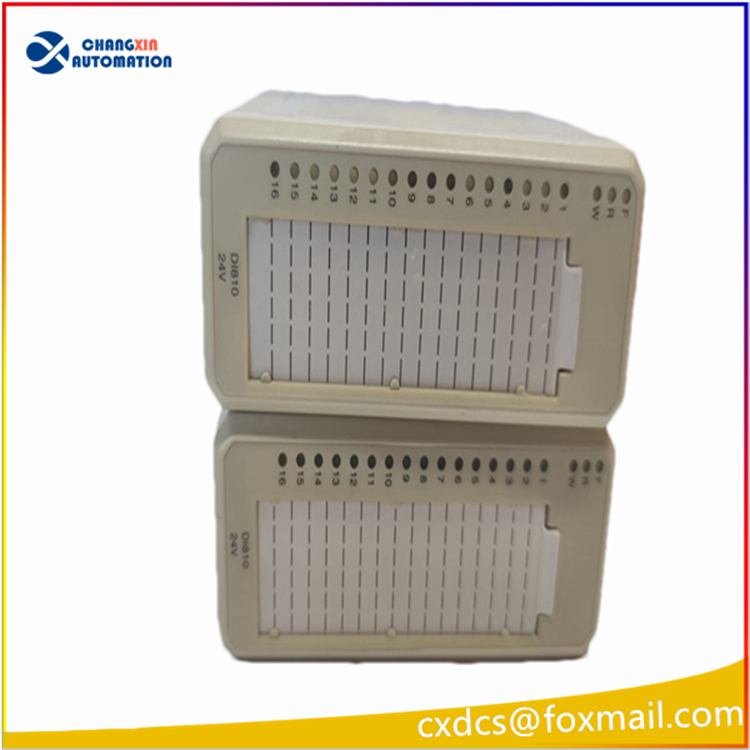
16-channel digital input
Supports 24V DC signal input, with input voltage range of 18-30V, input current of 6mA (24V), and can simultaneously monitor 16 switch states or sensor signals.
The input channels are divided into two groups (each group has 8 channels), each group is independently isolated, and is equipped with voltage monitoring input. When the process voltage is abnormal, channels 1-8 or 9-16 will display error signals.
Electrical Isolation and Protection
Each input channel has an electrical isolation function to prevent interference and fault propagation, enhancing system stability.
Built-in current-limiting elements, EMC protection elements, and optical isolation barriers enhance the anti-electromagnetic interference capability.
Digital Filtering and Diagnosis
Supports digital filtering function, with filtering time that can be set to 2, 4, 8, or 16 milliseconds, effectively filtering out noise pulses.
Provides input status LED indicator lights and error signal feedback mechanism, facilitating quick fault location.
Modular and Compatibility
Supports various input types (dry contacts, wet contacts), compatible with different sensors and switch devices.
Supports mainstream industrial communication protocols (such as FOUNDATION Fieldbus, Profibus, CANopen), and can be seamlessly integrated into existing control systems.
Application scenarios
Electricity and energy
Substation automation: Monitoring circuit breakers and switch status, achieving remote control.
Power plants: Collecting signals from boilers, steam turbines, cooling systems to optimize operational efficiency.
Smart grid: Remote signal monitoring and control to enhance the flexibility of grid dispatching.
Process industry
Oil and gas: Monitoring pipeline pressure and valve status to ensure production safety.
Chemical and pharmaceutical: Collecting equipment start-stop and alarm signals to achieve automated production control.
Steel metallurgy: Monitoring blast furnaces and rolling mills signals to improve production efficiency.
Manufacturing and factory automation
Automobile manufacturing: Collecting switch signals from robots and conveying systems to optimize production line processes.
Electronic manufacturing: Production line control to enhance product quality consistency.
Logistics and warehousing: Monitoring conveyor belts and AGV carts status to achieve intelligent scheduling. rail traffic
Train control: Monitors signal lights, turnouts, and door statuses to ensure safe operation.
Subway and light rail: Collects status of power systems to achieve intelligent operation and maintenance.
Water treatment and environmental protection
Wastewater treatment: Monitors pumping stations, valves, and alarm signals to enhance treatment efficiency.
Water treatment plant: Collects data on liquid level, flow rate, and pressure to achieve precise control.
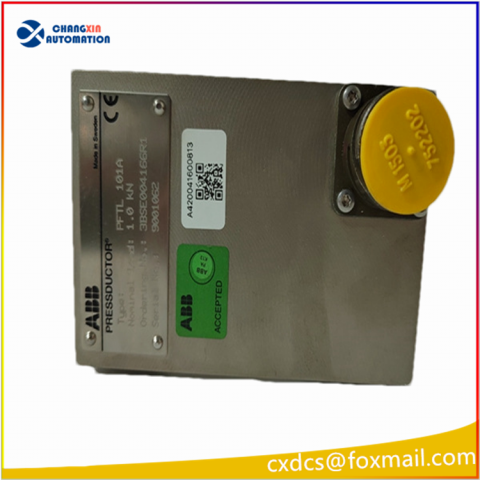
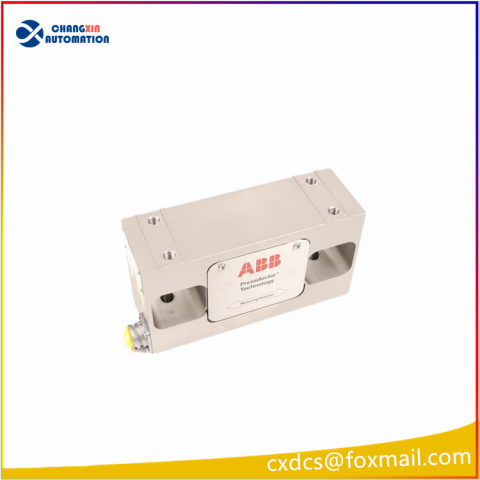
-480x480.jpg)

There are no reviews yet.