


The ABB PM866K01 3BSE050198R1 controller module is a high-performance controller developed by ABB Group for the field of industrial automation. The following is a detailed introduction of the controller module:
I. Product overview
The controller module is the core component of the AC800M series control system, and with its excellent reliability, powerful computing power and flexible scalability, it has become an ideal choice for complex industrial scenarios such as petrochemical, power energy, metallurgical manufacturing and so on. Its design integrates advanced real-time control technology and modular architecture, which can meet the needs of industrial control with high precision and high response speed, while supporting multi-protocol communication and remote monitoring, helping enterprises to improve production efficiency and intelligent level.
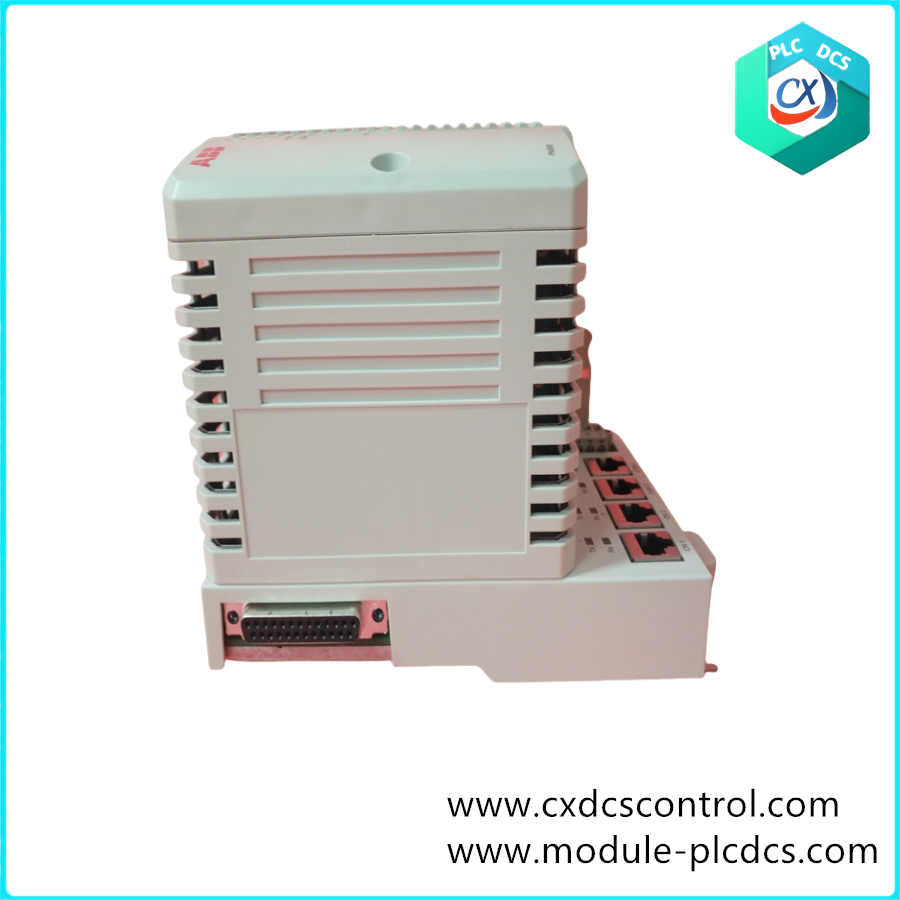
2. Core functions and technical advantages
High-performance computing and real-time control: The controller is equipped with high-performance processor, high frequency, support multi-task parallel processing, and can achieve millisecond response speed. Its integrated floating point arithmetic unit (FPU) and dedicated control algorithm library can efficiently deal with complex PID control, motion control and optimization algorithms to ensure the stability and accuracy of the production process. On the specific model and frequency of the processor, there are different statements, one is equipped with a 32-bit high-performance processor, the main frequency of 500MHz; Another argument is to use a dual-core ARM Cortex-A9 processor with a dominant frequency of 800MHz.
Flexible modular architecture: The controller adopts an open modular design and supports plug and play of a variety of expansion modules, including digital/analog I/O modules, communication modules, security modules, and more. Users can quickly configure the system according to actual needs, adapt to different scale industrial applications, and reduce the cost of later upgrade.
Multi-protocol communication and compatibility: The module has a variety of mainstream industrial communication protocols, such as PROFIBUS DP, Ethernet/IP, Modbus RTU/TCP, etc., which supports seamless docking with PLC, HMI, SCADA system and third-party devices. Through redundant communication interface design, high reliability industrial network can be built to ensure the stability of data transmission.
Safety and Reliability design:
Hardware protection: Industrial grade components, support wide voltage input, strong anti-electromagnetic interference ability, can work stably in a wide temperature range.
Software redundancy: Supports hot backup redundancy. Automatic switchover between primary and secondary controllers takes a short time to ensure uninterrupted system running.
Diagnostic function: real-time monitoring of module status, rapid fault location through LED indicator and alarm output, reduce downtime.
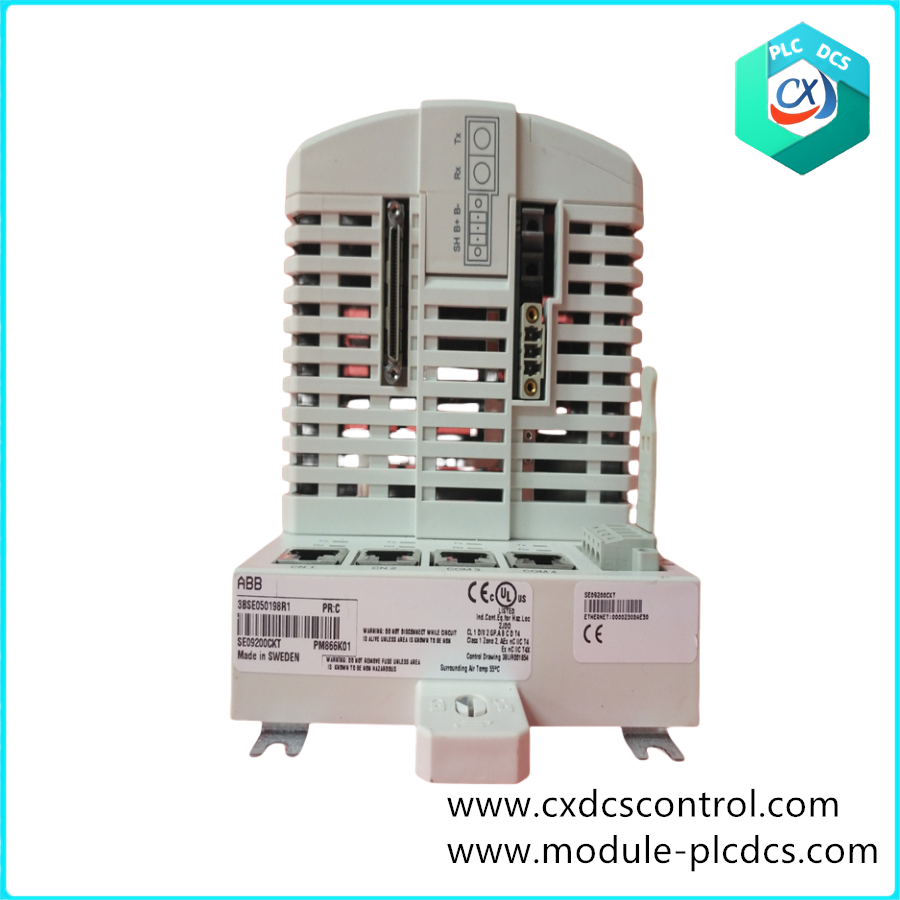
3. Typical application scenarios
Petrochemical industry: Suitable for process control of refineries and chemical plants, such as temperature and pressure control of reactor, liquid level regulation of rectification tower, anti-surge control of compressor, etc., can cope with the complex control needs in high temperature, high pressure and corrosive environment.
Power and energy field: can be used for thermal power generation, wind power/photovoltaic power station monitoring system, to achieve generator set speed control, grid frequency stability, new energy grid coordination control and other functions, support IEC 61850 standards, compatible with smart grid equipment.
Metallurgy and manufacturing: Applied to steel mill continuous casting and rolling production line, automobile manufacturing welding workshop and other scenes, through high-speed synchronous control to achieve multi-axis linkage, to ensure the precision of production rhythm and product quality consistency.
Water treatment and environmental protection: Support remote monitoring of distributed sewage treatment system, can integrate water quality sensors, aeration equipment, etc., to achieve automatic optimization of sewage treatment process, reduce energy consumption and operating costs.
Building automation: Used for intelligent building control, lighting systems, HVAC systems, etc.
Traffic systems: Used to coordinate signal lights, monitor traffic flow and manage traffic systems.
Environmental monitoring: Used to monitor atmospheric conditions, water quality and other environmental parameters.
-480x480.jpg)

There are no reviews yet.