



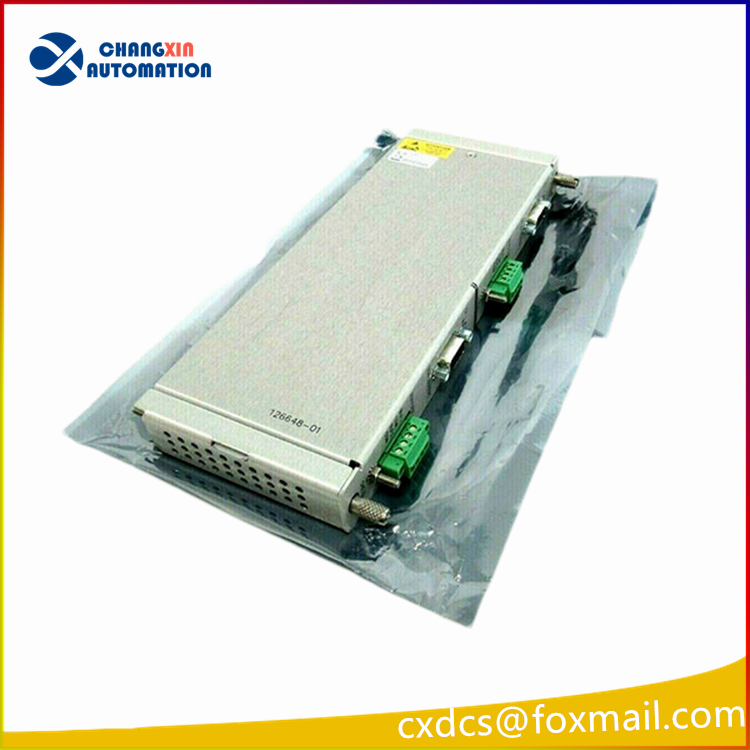
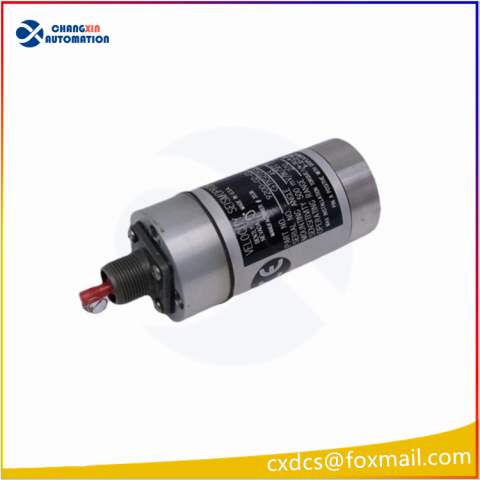
The Bently Nevada c Proximitor I/O Module is an input/output module produced by Bently Nevada for monitoring and processing vibration and position signals of equipment. The following will introduce it from aspects such as its functional features and application scenarios:
Functional Features
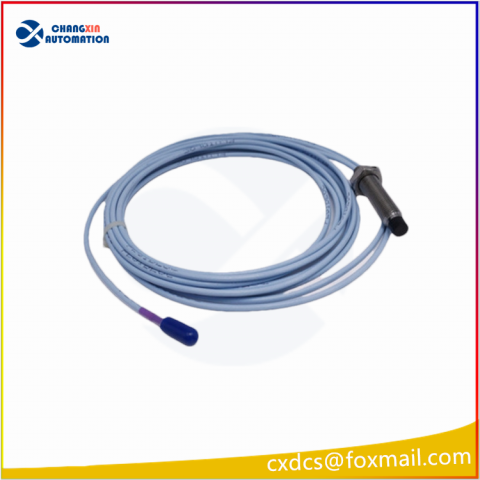
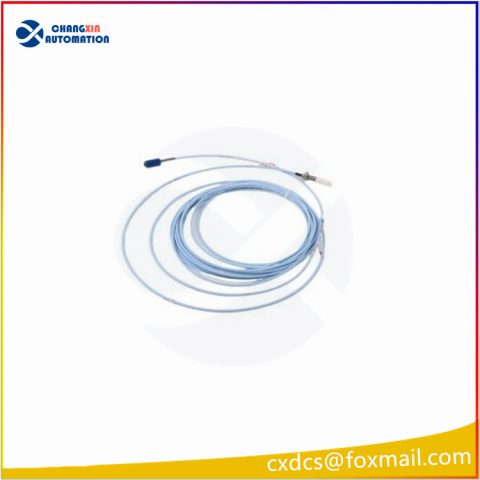
Input Compatibility: Specifically designed to receive input signals from Bently Nevada proximity transducers, ensuring compatibility and seamless integration with monitoring systems, effectively avoiding interference and distortion during signal transmission.
Signal Conditioning: Conditions the input signals, converting the raw signals collected by the sensors into standard signal forms that can be analyzed and processed by the monitoring system, and provides a series of vibration and position measurement data, such as displacement, velocity, and acceleration, providing key information for assessing the health status of equipment.
Alarm Comparison: Compares the conditioned signals with user-programmable alarm thresholds. When the signals exceed the set thresholds, it can promptly trigger alarms, enabling early fault detection and system protection, helping operators take timely measures to prevent further expansion of equipment failures.
Programmable Function: In conjunction with the 3500 rack configuration software, users can program each channel of the 3500/40M Proximitor monitor to perform multiple functions, including radial vibration monitoring, thrust position measurement, differential expansion monitoring, eccentricity detection, etc.
Technical Parameters
Input Signal Range: Typically -10Vdc to +10Vdc, capable of accommodating various types of proximity sensor output signals.
Power Consumption: Approximately 10.5 watts, featuring low power consumption which helps reduce the energy consumption of the entire monitoring system.
Ethernet Interface: Equipped with a 100Base-FX fiber optic Ethernet interface, providing high-speed and stable data transmission, facilitating network communication with other devices or systems.
Operating Temperature Range: Generally between -30°C and +65°C (-22°F and +150°F), adaptable to different working environmental conditions.
Application scenarios
Rotating machinery monitoring: Widely applied in various rotating mechanical equipment, such as steam turbines, generators, compressors, pumps, etc., for vibration and position monitoring. By real-time monitoring of the equipment’s operating status, potential fault hazards such as rotor imbalance, shaft misalignment, and bearing wear can be detected in a timely manner, ensuring the safe and stable operation of the equipment.
Industrial automation systems: In industrial automation production lines, it can be used to monitor the operating conditions of production equipment, achieving automated control and fault diagnosis of the equipment. For example, in industries such as automotive manufacturing, steel metallurgy, and chemical engineering, key equipment on the production line can be monitored and controlled in real time to improve production efficiency and product quality.
Energy industry: In the energy sectors such as power, oil, and natural gas, it is used to monitor the operating status of key equipment such as generator sets, oil pipelines, and compressor stations, ensuring the safety and reliability of energy production and transmission.


There are no reviews yet.