
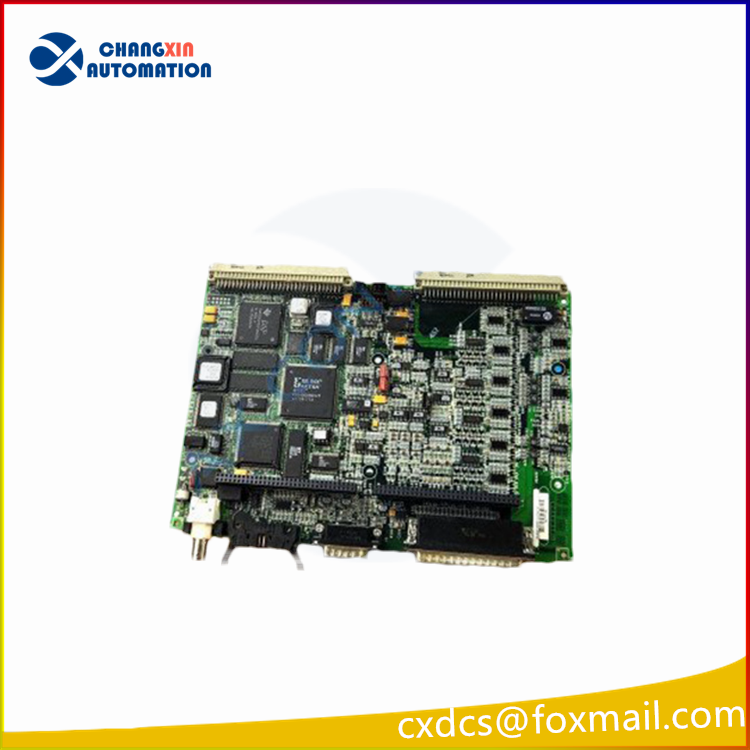

GE IS200VRTDH1D Mark VI Printed Circuit Board Core Analysis
I. Product Positioning and Functions
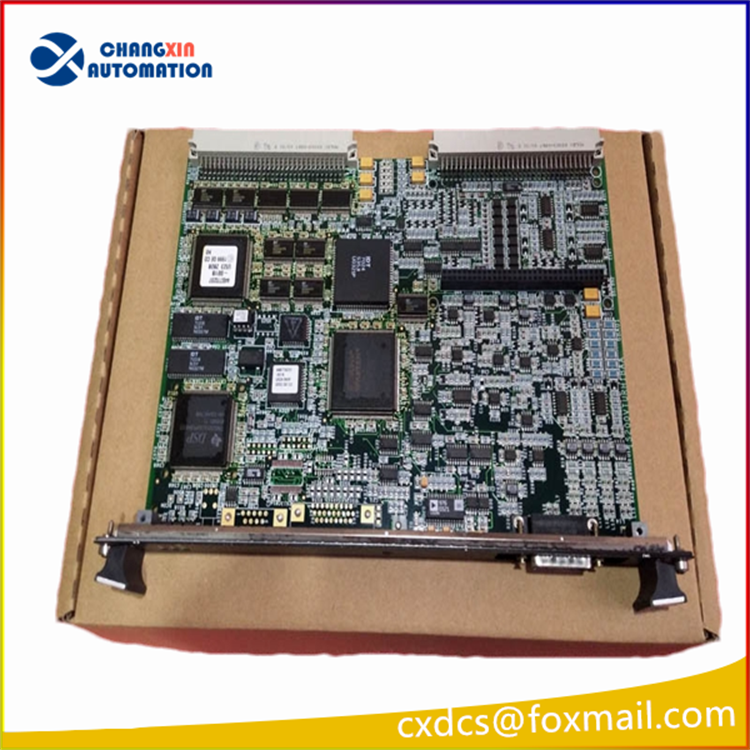
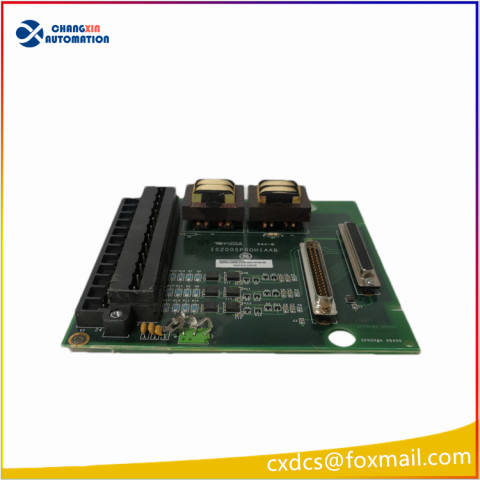
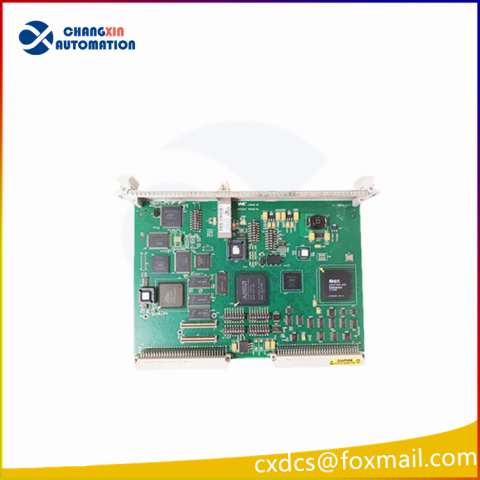
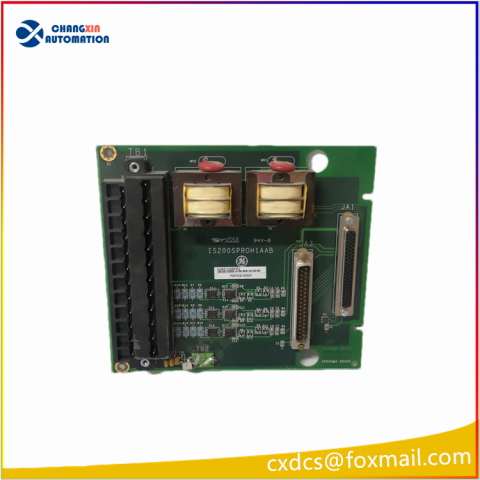
The IS200VRTDH1D is a VME bus resistance temperature detector (RTD) input card designed by General Electric (GE) for the Mark VI Speedtronic turbine control system. It is mainly used for temperature monitoring in industrial gas turbines, steam turbines, and power generation equipment. Its core functions include:
Multi-channel temperature acquisition
Supports 16 three-wire RTD inputs, connected through an external terminal board, to capture real-time temperature changes at key parts of the equipment.
The input signals are processed by the circuitboard and transmitted via the VME bus to the controller to ensure data accuracy and real-time performance.
Status monitoring and fault diagnosis
Equipped with 3 LED indicators (green/red/orange), respectively indicating the operating status, fault alarm, and communication status, facilitating quick problem troubleshooting at the site.
The circuit board integrates 200+ resistors, capacitors, and FPGA chips, enhancing signal stability and anti-interference ability through a hardware redundancy design.
Environmental adaptability
Operating temperature range: 0℃ to 85℃, humidity tolerance: 0-95% (non-condensing), suitable for harsh industrial environments.
Storage temperature range: -40℃ to 70℃, meeting transportation and storage requirements in different climates worldwide.

Application scenarios and industry value
Energy industry
Used for temperature monitoring in key parts such as combustion chambers, exhaust ducts, bearings, etc. of gas turbines and steam turbines, to prevent overheating damage and extend equipment lifespan.
Combined with the triple-redundant control module of the Mark VI system, it achieves high reliability temperature management and reduces the risk of unplanned shutdowns. Industrial Automation
In high-temperature process flows such as those in chemical and metallurgical industries, real-time temperature data is fed back through RTD input cards to optimize production parameters and enhance energy efficiency.
It supports integration with control systems like PLC and DCS to build an intelligent factory temperature monitoring network.
Equipment maintenance and predictive analysis
Historical temperature data can be stored in the controller, which is used to analyze the deterioration trend of equipment, formulate maintenance plans in advance, and reduce unexpected failures.


There are no reviews yet.