

product description
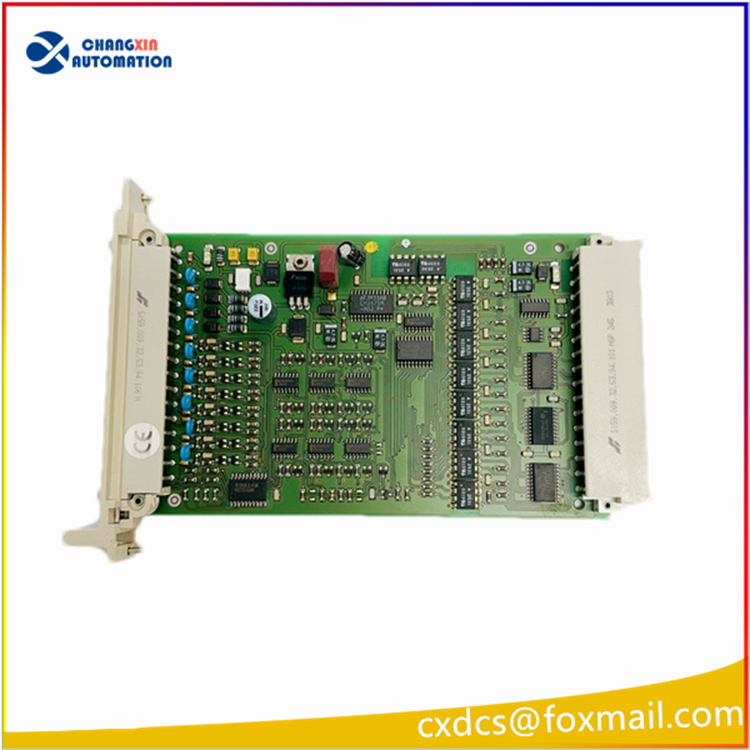
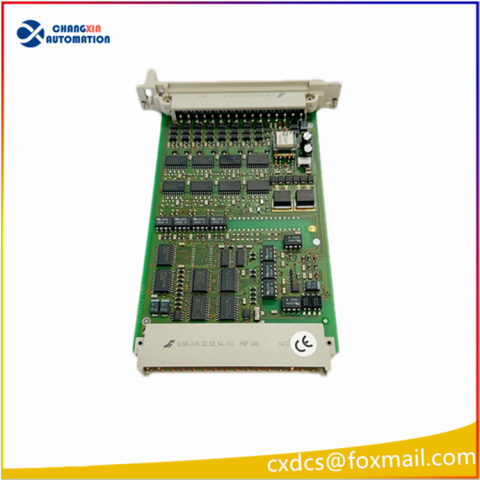
HIMA F3238 ANALOG INPUT MODULE | F 6215.Review the module’s communication protocol Next, we need to determine the communication protocol used by the HIMA F3238Analog Input Module. This information will help us understand how to interface with the module programmatically. Common communication protocols for analog input modules include RS-485, Modbus, Profibus, and Ethernet/IP.
Product Positioning and Core Functions
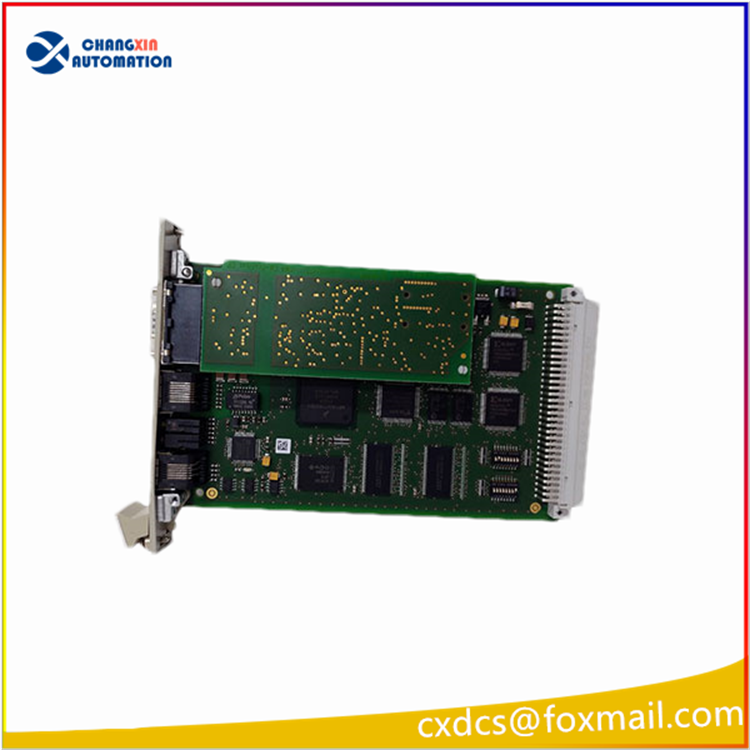
The HIMA F8628X is an analog input module specifically designed for safety instrument systems (SIS) and is part of the HIMA Black Horse (HIMA Planar System) safety control system. Its core functions include:
Analog signal acquisition: Supports multi-channel analog input, capable of collecting industrial process parameters such as temperature, pressure, and flow rate, and converting them into digital signals recognizable by the control system.
Safety integrity: Meets international safety standards such as IEC 61508 and DIN 19250, obtaining TUV AK7/SIL4 certification, suitable for high-risk industrial scenarios (such as oil refining, chemical industry, oil and gas platforms, etc.).
Redundant design: Supports quadruplex structure (QMR), achieving fault-free repair time limitation, enhancing system availability and reliability.
sales manager:Anne
Email: cxdcs@foxmail.com
Mobile: +86 13328779317(Whatsapp)
product description
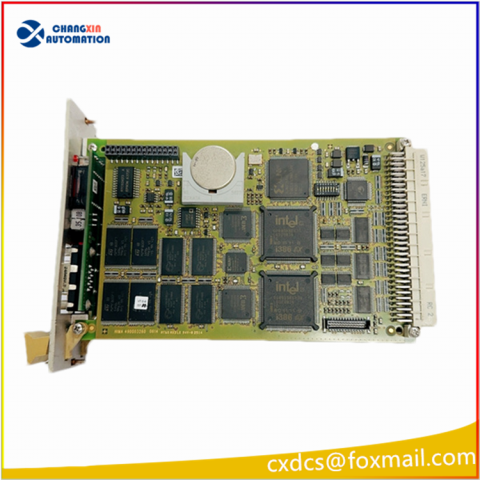
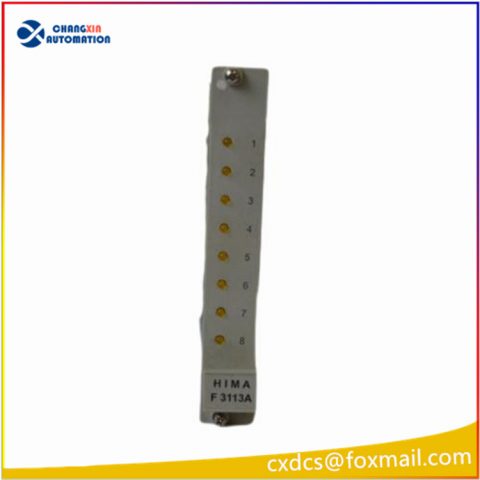
HIMA F8628X Analog Input Module .The HIMA analog input module is a component of the HIMatrix system. The HIMatrix system is a modular and scalable safety system that can be used for various applications. The analog input module is responsible for converting analog signals from sensors into digital signals that can be processed by the safety system.Configure the module: Once the sensors are connected, you need to configure the module to match the characteristics of the connected sensors. This includes setting the input voltage range and signal type for each channel.
 Typical application scenarios
Oil and gas
Monitor parameters such as pressure and temperature of long-distance pipelines and oil/gas stations, and achieve leak detection and safety interlock protection. Chemical industry
Collect temperature and pressure signals of equipment such as reaction vessels and distillation towers to prevent safety accidents caused by overheating and overpressure.
Electric power industry
Monitor the vibration and temperature of equipment such as power generators and transformers to ensure the stable operation of the power grid.
Offshore oil platforms
In harsh marine environments, collect the operating status of platform equipment to ensure the safety of personnel and equipment.


There are no reviews yet.