

product description
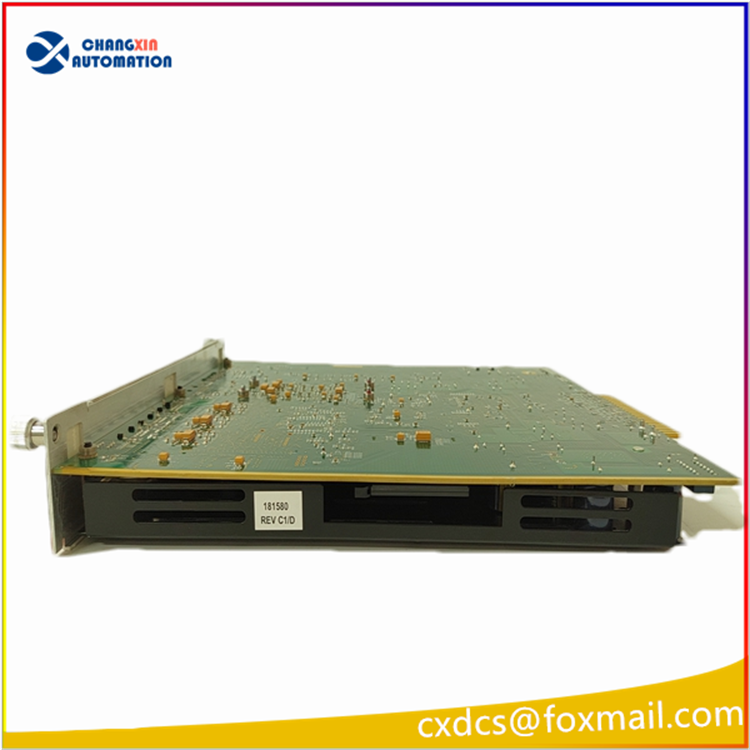
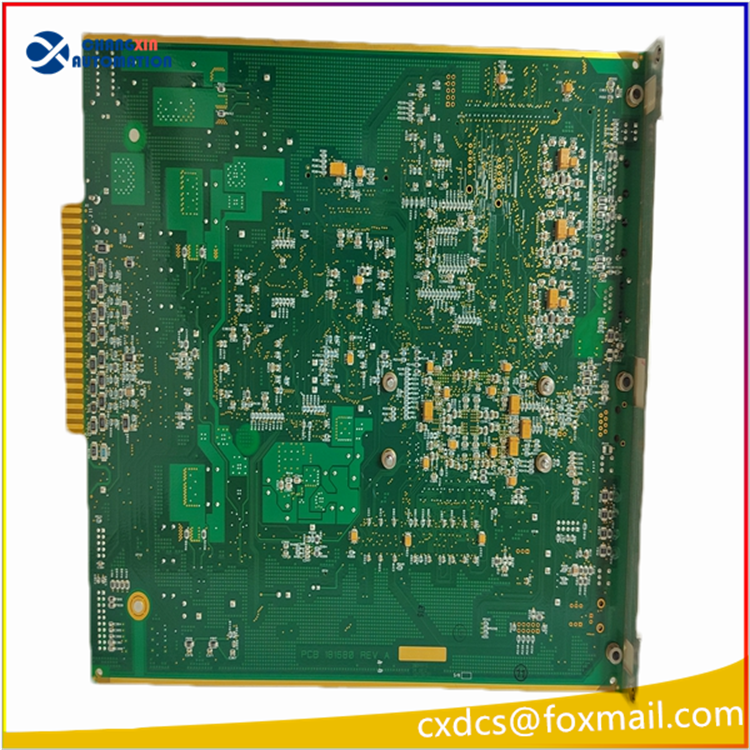
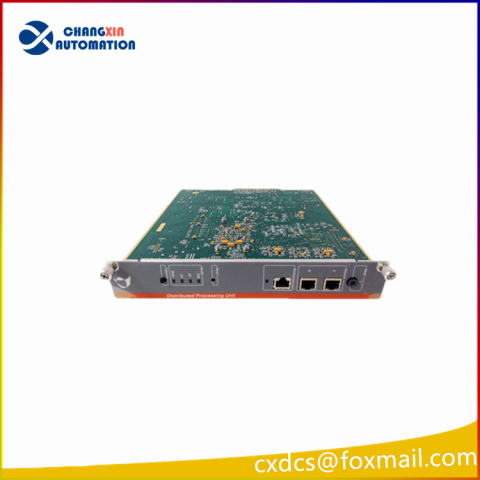
The METSO PDP403 Distributed Processing Unit is a high-performance industrial automation control device launched by Metso Corporation. Specifically designed for complex industrial environments, it features powerful data processing capabilities and flexibility, and is widely used in heavy industries such as petroleum, chemical engineering, metallurgy, and power. The following is a detailed analysis of this product:
Core Functions and Features
High-performance processing capability
The PDP403 adopts a distributed architecture, supporting high-speed data transmission and real-time processing. It can efficiently handle complex logic and large-scale data in industrial automation systems, meeting strict requirements for response speed and calculation accuracy.
Modular design
The device features a modular structure, facilitating installation, maintenance, and upgrade. Users can flexibly configure input/output modules based on actual needs, reducing system maintenance costs and enhancing scalability.
High reliability
After rigorous quality control and industrial environment testing, the PDP403 can operate stably under harsh conditions such as high temperature, high pressure, and strong electromagnetic interference, reducing failure rates and ensuring continuous production.
Multi-protocol support
It supports multiple industrial communication protocols (such as Modbus, Profibus, Ethernet/IP, etc.), enabling seamless integration into existing automation systems and facilitating interconnection with equipment from different manufacturers.
Compatibility and integrability
It is typically integrated with Metso’s maxDNA control system, but can also be deployed as an independent control unit for new projects or upgrades to existing systems.
Technical Parameters
Input/Output Points: Supports multiple I/O configurations to meet the control requirements of different scales.
Operating Voltage: Adaptable to industrial standard voltage ranges (such as 24V DC).
Communication Interfaces: Equipped with Ethernet, RS-485 and other interfaces, supporting remote monitoring and diagnosis.
Environmental Adaptability: Wide operating temperature range (such as -20°C to +60°C), with high protection level (such as IP20).
Software Support: Compatible with mainstream programming environments, supporting IEC 61131-3 standard programming languages. 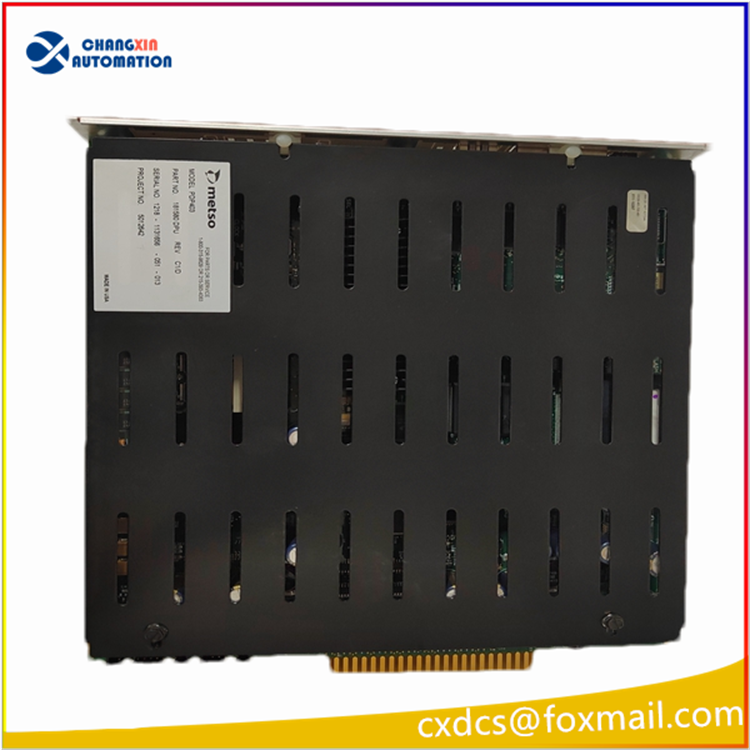
Summary of Advantages
Enhanced System Efficiency: Distributed processing reduces the burden on the main controller and speeds up decision-making.
Reduced Maintenance Costs: Modular design facilitates fault detection and component replacement.
Increased System Flexibility: Supports multi-protocol communication, meeting the needs of various industrial scenarios.
Ensured Production Safety: High reliability design reduces unplanned downtime and enhances overall safety.
Application scenario
Oil and gas: Used for the automatic control of drilling platforms and refineries.
Chemical and pharmaceuticals: Achieve precise control and safety monitoring of production processes.
Electricity and energy: Undertake data collection and equipment protection functions in power plants and substations.
Metallurgy and mining: Optimize production processes and improve equipment operation efficiency.

There are no reviews yet.