

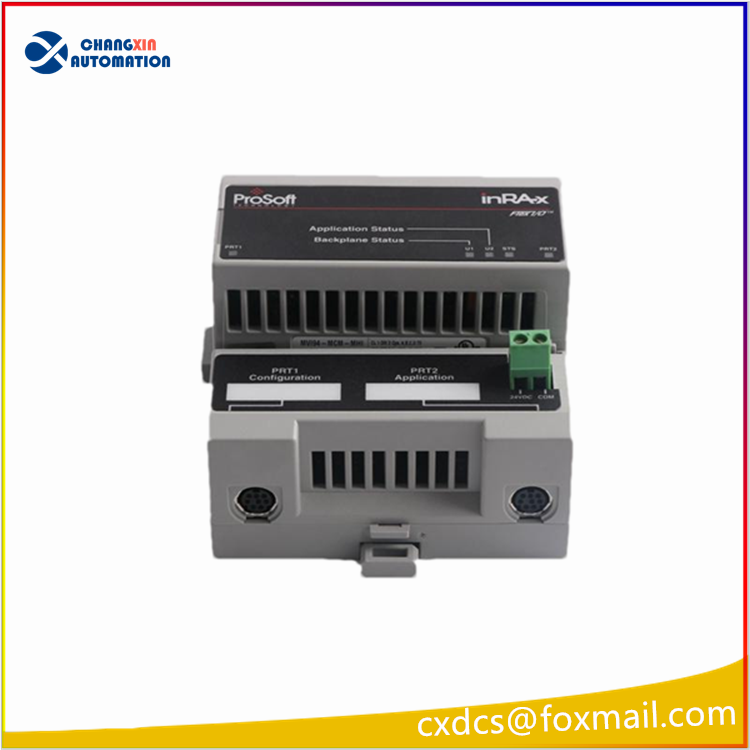
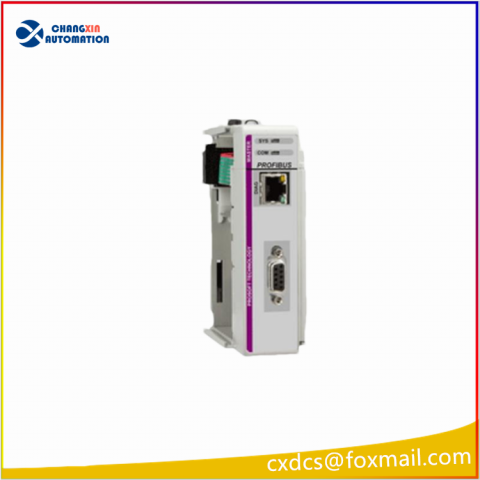
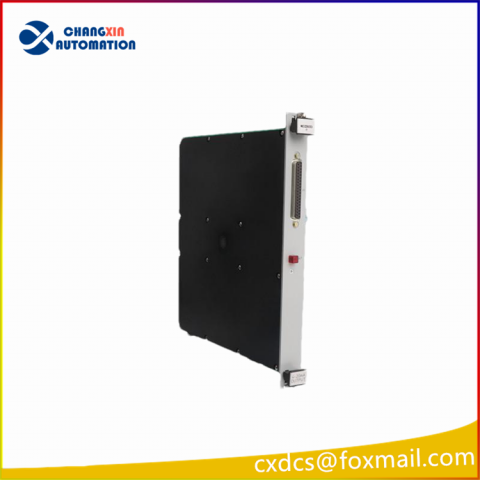
PROSOFT MVI94-MCM is an enhanced communication module specifically designed for industrial automation. It is mainly used to achieve protocol conversion and data exchange between different devices, supporting Modbus TCP/IP and Modbus RTU/ASCII protocols. It can be integrated with Rockwell Automation’s ControlLogix® or CompactLogix™ series PLCs and is suitable for equipment monitoring, data acquisition, and remote management scenarios.
Core Function
Protocol Conversion
Modbus TCP/IP: Supports communication with devices that are compatible with this protocol, enabling data exchange and integration in industrial networks.
Modbus RTU/ASCII: Compatible with serial-connected Modbus devices, meeting the communication needs of different devices.
Scalability: Can integrate third-party devices such as motor drivers, temperature controllers, and frequency converters to achieve unified monitoring and control.
PLC Integration
Seamlessly integrates with Rockwell Automation’s ControlLogix® or CompactLogix™ series PLCs, achieving data transmission through ladder logic.
Supports real-time data collection, helping users monitor production processes and respond quickly to abnormalities.
Remote Monitoring and Management
Based on the Modbus TCP/IP protocol, realizes remote monitoring of device status and abnormal handling through network connections.
Improves production efficiency and operational reliability, and reduces on-site maintenance costs.
Technical Specifications
Operating Temperature: -40°C to 85°C, suitable for extreme industrial environments.
Input Voltage: 3.3V DC, ensures low power consumption and stable operation.
Data Rate: Up to 150Mbps, meets the requirements for high-speed data transmission.
Security Features: Supports WPA2 and AES-CCMP encryption to ensure communication security.
Communication Distance: Maximum 100 meters (in an unobstructed environment), suitable for small and medium-sized industrial scenarios.
Interfaces: Provides various interfaces such as serial ports and Ethernet, supporting flexible deployment. Application scenario
Industrial Automation
Connect devices from different manufacturers (such as PLCs, sensors, actuators), and achieve data exchange and control.
Example: In the automotive manufacturing production line, integrate robot controllers with conveyor belt systems to optimize the production process.
Process Control
Real-time transmission of sensor data (such as temperature, pressure, flow), supporting production monitoring in fields like chemical engineering, petroleum, and water treatment.
Example: In a petroleum refinery, monitor the temperature of the reaction vessel and automatically adjust the heating power.
Building Automation
Integrate lighting, air conditioning, security, etc. systems to achieve intelligent control and energy management.
Example: In an intelligent building, automatically adjust the brightness of lighting and the temperature of air conditioning according to personnel activities.
Energy Management
Monitor the operating status of energy equipment (such as generators, transformers), and optimize energy usage efficiency.
Example: In a wind farm, collect real-time power data from wind turbines and analyze power generation efficiency.

There are no reviews yet.