

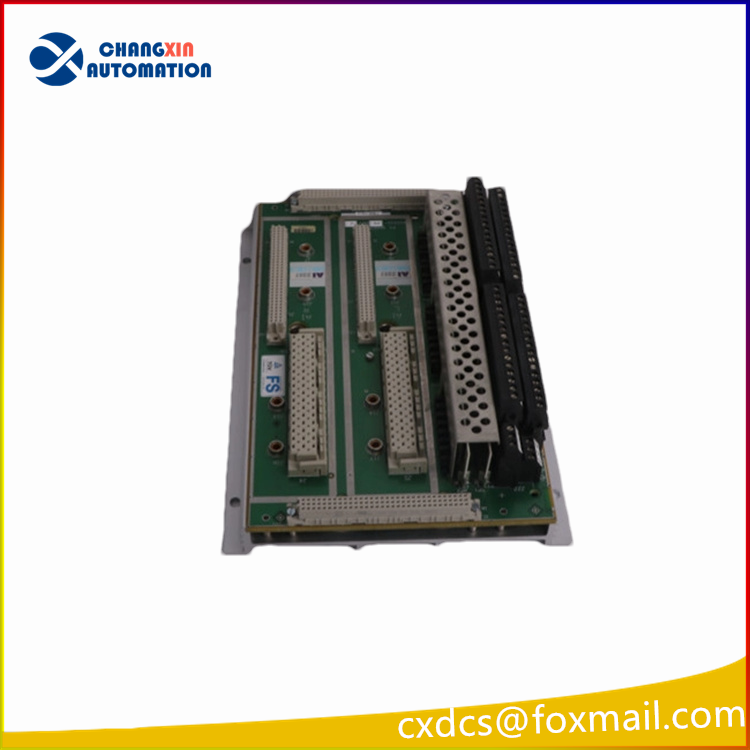
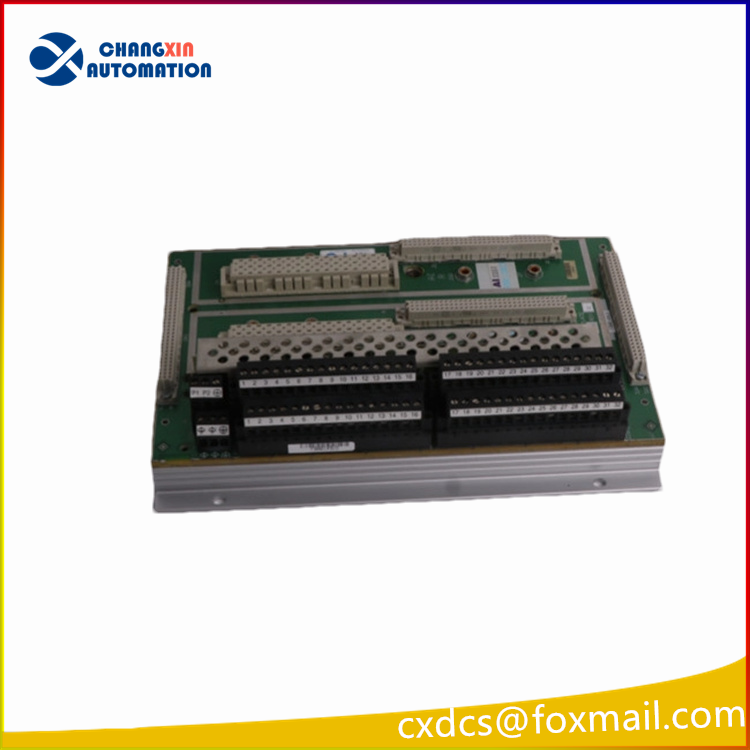
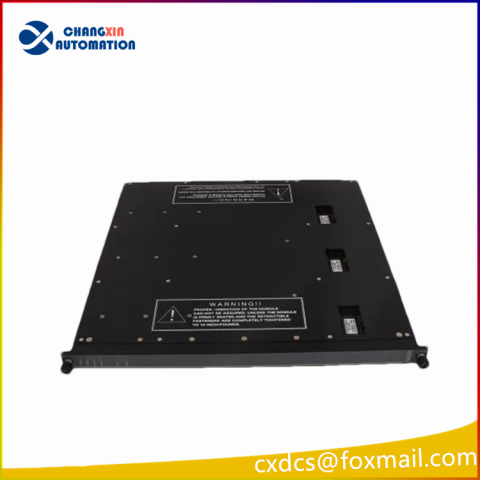
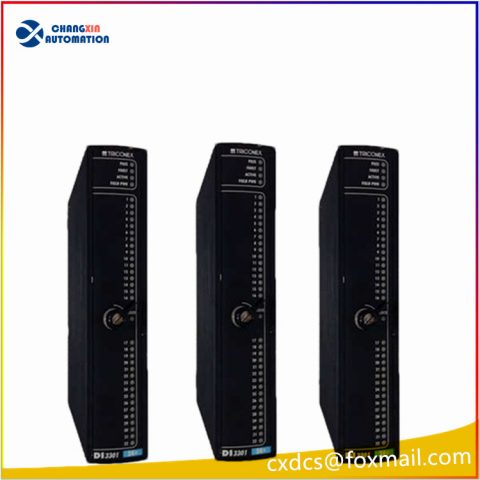
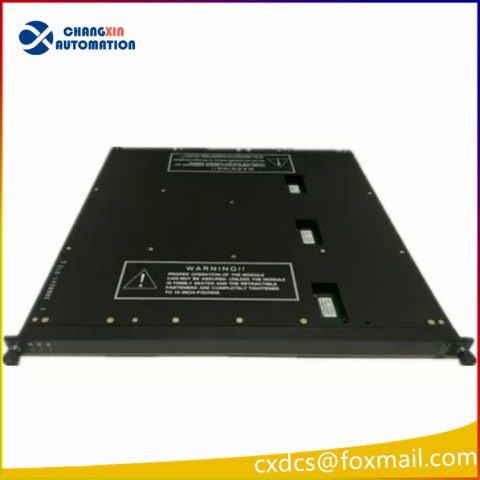
TRICONEX 2351 is a high-performance analog input board (or module base) designed for industrial automation. It features high precision, high stability, multiple interfaces and communication capabilities. Here is a detailed introduction:
Core function
Analog Signal Processing
Utilizing high-performance processors and algorithms, it supports various analog input interfaces such as voltage, current, and temperature, enabling rapid and precise signal processing, thereby reducing errors and distortion.
High precision and resolution design ensures the accuracy of signal transmission, suitable for industrial scenarios with strict precision requirements.
Redundancy and Stability
Supports triple redundancy (TMR) system design, automatically switching to backup channels in case of module failure, ensuring continuous system operation.
Using high-quality materials and manufacturing processes, it can adapt to harsh environments such as high temperatures, humidity, and vibration, ensuring long-term stable operation.
Modularization and Expandability
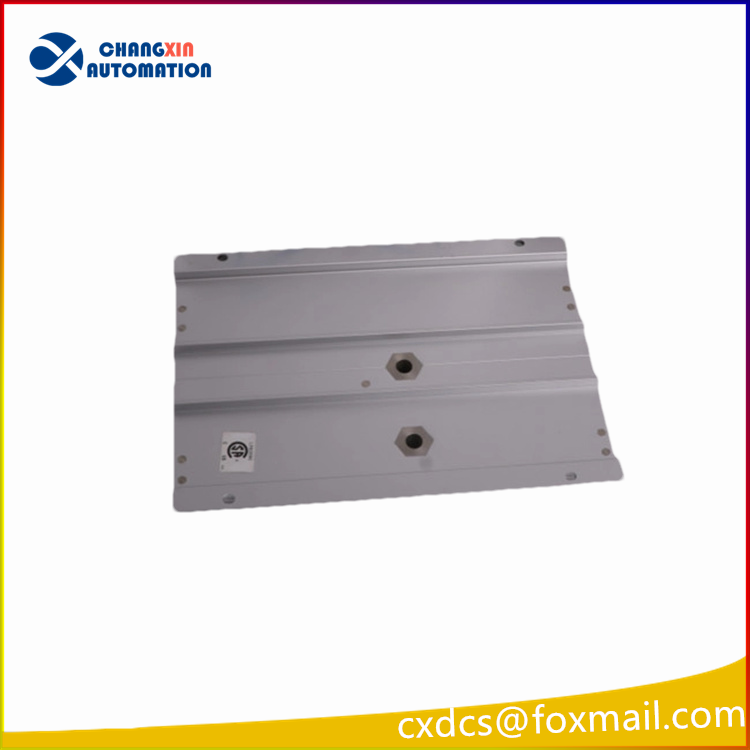
Provides physical installation positions, supports flexible combination of multiple control modules, facilitating system expansion and upgrade.
The base design allows for hot-swappable modules, reducing downtime and simplifying maintenance procedures.
Technical Characteristics
Communication Interfaces
Supports multiple communication protocols such as Modbus, Ethernet, and OPC, enabling seamless integration with other devices or systems (such as ERP, MES, SCADA).
Provides standardized OPC UA communication, facilitating the integration of production data into the management system.
Security and Compatibility
Supports SSL/TLS security standards, X.509 certificates, and data encryption to ensure data transmission security.
Compatible with Docker container technology, can be deployed through platforms such as Azure IoT Edge or AWS IoT Greengrass, supporting cloud-driven or local configuration.
Operation and Maintenance
Equipped with a visual control panel and online debugging functions, supporting local (web interface) and remote (REST API) configuration, reducing operational barriers.
Provides a recipe manager function, allowing process data to be written from the cloud to the controller, simplifying process management. Application scenario
Industrial Automation Control
As the core component of the Triconex series control system, it is used to receive and process sensor signals to achieve precise control.
It supports distributed control systems (DCS) and safety instrument systems (SIS), providing stable support for emergency shutdown systems (ESD).
Internet of Things and Cloud Integration
Through containerized deployment (such as Azure IoT Edge or AWS IoT Greengrass), achieve bidirectional interaction between edge computing and cloud data.
Supports data exchange with other Docker container applications (such as Microsoft OPC Publisher), enhancing system flexibility.
High Reliability Requirements Scenarios
In industries such as power, petrochemicals, and metallurgy, ensure the stable operation of critical equipment under extreme conditions, reducing unplanned downtime.
Summary of Advantages
High Performance: Quickly processes analog signals to meet the real-time requirements of industrial automation.
High Reliability: Redundant design and anti-interference capabilities ensure continuous system operation.
Easy Expansion: Modular design supports flexible configuration, adapting to the requirements of different-sized systems.
Security Compatibility: Supports multiple communication protocols and security standards, facilitating integration into existing architectures.

There are no reviews yet.