

I. Brand and Product Positioning
Brand History
Originally manufactured by Brad Communications, later acquired by Woodhead, and ultimately integrated into Molex’s Industrial Communications Division; commonly miswritten as BARD in the market.
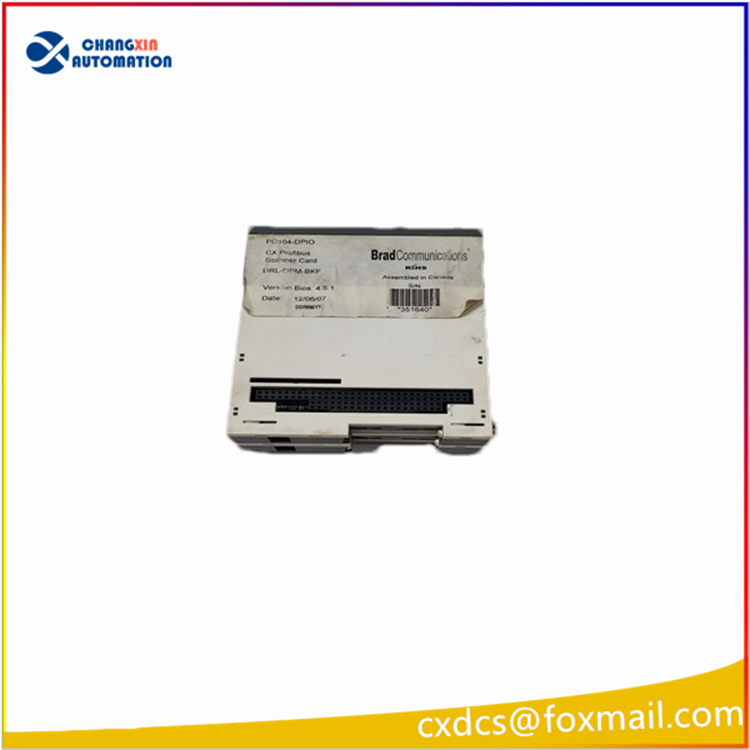
Series Classification: Direct-Link™ CX Profibus Scanner is an integrated embedded communication I/O card. The original manufacturer has discontinued production (EOL), and only used or stock components are available on the market.
Model Breakdown
PC104-DPIO: PC/104 ISA bus baseboard with integrated isolated digital input/output
DRL-DPM-BKF: On-board Profibus-DP master scanner co-processor sub-module
A single stackable PC/104 board combining Profibus bus and local 32-point I/O, specifically designed for compact fanless embedded industrial computers.
Core Hardware Specifications
1. Bus and Mechanical Structure
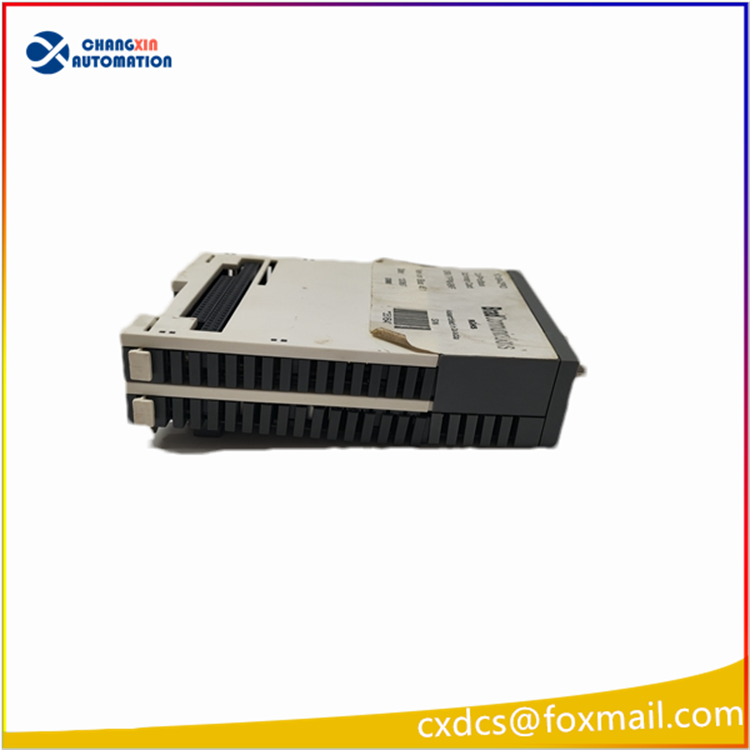
Form Factor: Standard PC/104 8/16-bit ISA stacked bus with direct-through stacking expansion
Dimensions: 90mm × 96mm × 20mm, weight ≈ 220g
Power Supply: DC 5V ±10%, total power consumption ≤ 5.5W (1.2A)
Protection: IP40 without enclosure, shock-resistant stacked design
Environment: Operating temperature range -40°C to +85°C, humidity 5%–95% non-condensing
Certifications: CE, UL, FCC industrial certifications
2. On-Board Digital I/O (DPIO)
Channels: 16 optically isolated DI + 16 overcurrent protected DO, totaling 32 discrete I/O points
Isolation Voltage: 2500Vrms optical isolation, eliminating ground loop interference
Signal Level: TTL/5V CMOS, compatible with 24V industrial switch signals
DO Channel Load: Maximum 1A per channel, capable of directly driving solenoid valves and small relays
I/O Controller: 8255 PPI, supports hardware interrupts IRQ3–IRQ7
Address Configuration: Manual memory address assignment required (C8000–DE000), single card occupies 8KB dual-port RAM (DPRAM)
3. Profibus-DP Communication (Core DRL-DPM-BKF)
Protocol Standard: EN 50170, DP-V0, supports both Master and Slave modes
Protocol Chip: Siemens ASPC2 standalone DP co-processor, does not consume host CPU resources
Baud Rate: Adaptive from 9.6kbps to 12Mbps
Bus Interface: Female DB9 RS485, 500V optical isolation on the bus side
Data Buffer: 16KB auto-mapped dual-port RAM (ADM technology), no manual I/O mapping required
Status Indicators: Dual-color LED indicating bus fault and communication status
Diagnostic Features: Hardware watchdog, slave online diagnostics, communication traffic monitoring, fault alarm reporting
4. Local Co-Processing Unit
On-board independent co-processor with built-in Flash firmware preloaded with Profibus protocol stack
No burden on host CPU for bus scheduling, high real-time performance, suitable for demanding applications such as automotive, marine, and rail transit
Software and System Compatibility
Supported Operating Systems: DOS, Windows XP/Embedded, Linux, VxWorks, QNX real-time systems
Configuration Tool: Molex ApplicomIO configuration software, featuring built-in GSD file management, bus scanning, and fault diagnostic tools Operating Mode: Dual-mode selection between interrupt and polling, enabling low-latency real-time data interaction
Driver: Original factory-provided low-level driver with support for C/C++ development libraries, facilitating embedded secondary development
Core Advantages
Highly integrated to save space: A single PC/104 board simultaneously implements Profibus master station and local 32-point I/O, eliminating the need for additional I/O expansion boards
Independent DP hardware core that does not occupy host industrial control resources, ideal for multi-bus, multi-slave high-real-time control applications
Wide-temperature industrial-grade design with shock-resistant stacking capability, suitable for compact embedded enclosures in vehicles, ships, and special equipment
ADM automatic dual-port RAM mapping significantly reduces development effort for host computer read/write operations on fieldbus data
Typical Application Scenarios
PC/104-based embedded industrial controller serving as a Profibus-DP master station
Wide-temperature distributed signal acquisition and control in locomotives, ships, and offshore platforms
Replacement of spare parts for legacy DCS systems and dedicated embedded controllers in production lines
Built-in bus I/O acquisition units for robots and specialized equipment

There are no reviews yet.