



Product Overview
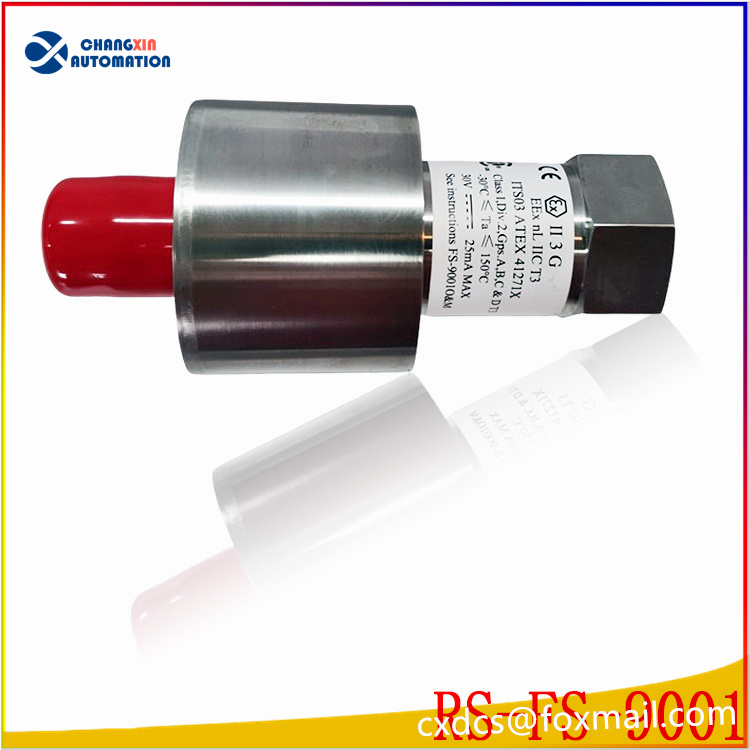
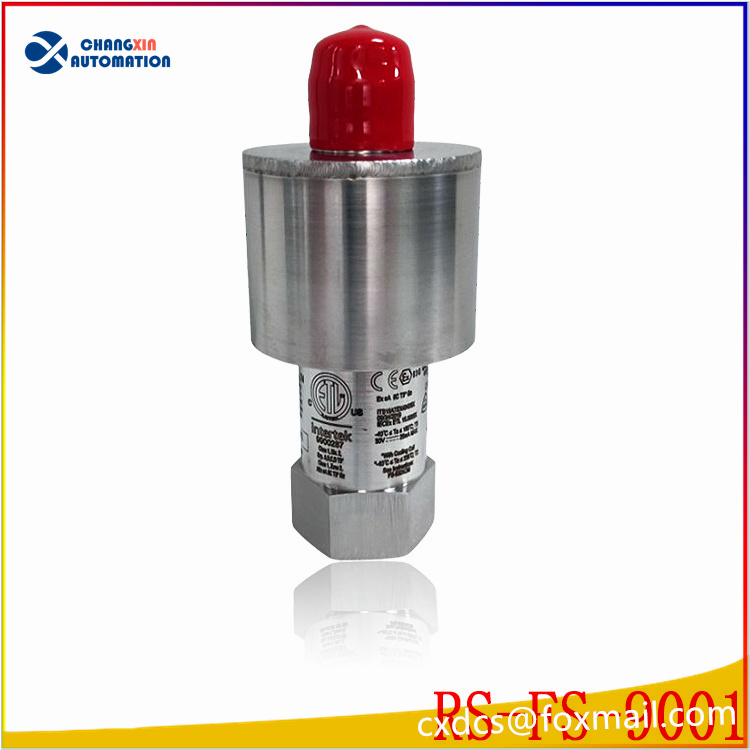
The GE Reuter-Stokes 362A1052P004 is an ultraviolet/infrared (UV/IR) flame tracking sensor designed specifically for high-temperature industrial environments. It utilizes silicon carbide (SiC) photodiode technology and features high sensitivity, fast response (<25ms), and a wide dynamic range. Its core function is to monitor the flame status in real-time in scenarios such as gas turbines, boilers, and petrochemical plants, ensuring safe equipment operation and preventing fire accidents. This model is widely used in high-risk environments such as gas turbines, boilers, petrochemical plants, and industrial kilns, and is a core component for flame monitoring in gas turbine combustion chambers.
Core Technical Parameters:
Detection Principle: Utilizes silicon carbide (SiC) photodiode technology, exhibiting high sensitivity to ultraviolet (UV) light, enabling rapid identification of flame signals from fuel oil and other sources. Response time is <25ms, ensuring timely and safe response.
Materials and Structure: Silicon carbide (SiC) sensor material, metal housing (gray, approximately 100mm × 100mm × 50mm, weight 1kg), protection rating IP54/IP65.
Electrical Parameters: Operating voltage 220V/24V DC or 115/230V AC, power consumption ≤5W, signal output 4-20mA analog or digital, compatible with GE control systems.
Environmental Adaptability: Operating temperature -10℃~70℃ (some models -20℃~60℃), storage temperature -20℃~85℃. High temperature resistant and vibration resistant, suitable for complex operating conditions such as steam injection and low NOx burners.
Response Characteristics: Sensitive to ultraviolet wavelengths (strong long-wavelength penetration), response time <25ms, supports detection of multiple fuel types (gas, oil, etc.).
Application Areas:
Core Scenarios: Flame monitoring in gas turbine combustion chambers, boiler combustion control, safety monitoring of petrochemical plants, fire prevention in the power/paper/tobacco industries.
Special Scenarios: High temperature, high humidity, steam injection environments, such as low NOx burners, industrial kilns, diesel generator sets, etc.
Safety Certifications: ETL, ATEX, IECEx certified, compliant with NFPA industrial safety standards, suitable for explosive hazardous areas.
Installation and Maintenance Guidelines
Installation Requirements: Use flange or threaded mounting. Ensure the detector is aligned with the flame combustion area, avoiding direct exposure to high-temperature flue gas. Use shielded cables for the signal line and keep away from sources of strong electrical interference.
Maintenance Recommendations: Clean the detector window regularly (calibrate every 6-12 months). Use specialized cleaning tools to avoid scratching the lens. If flame recognition anomalies occur, check the wiring connections, probe sensitivity, and impedance matching potentiometer.
Troubleshooting:
False Alarms/Missing Alarms: Clean the quartz lens if the probe lens is contaminated. If the impedance matching potentiometer is over-adjusted, slowly adjust it clockwise until the indicator light illuminates.
Line Interference: Humid environments may increase distributed capacitance; adjust the potentiometer in reverse until the relay releases.
Advantages and Alternatives
High Reliability: Industrial-grade high-temperature resistant materials and optimized optical components extend service life; quick-disconnect connectors reduce maintenance time.
Compatibility: As a standard replacement for GE’s combustion management system, it is fully compatible with original equipment manufacturer (OEM) specifications and supports upgrades of older sensors for land-based/marine gas turbines.
Extended Functions: Supports digital/analog signal output, seamlessly integrates with DCS, PLC, SCADA, and other systems for remote monitoring and data acquisition.
Performance Advantages:
High Sensitivity and Interference Resistance: SiC material is sensitive to long-wave UV light and has strong penetration capabilities through fuel/vapor mist, suppressing false alarms caused by welding arc light and sunlight.
Low Maintenance Costs: Low-voltage operation reduces special wiring requirements, and the quick-change design shortens maintenance time (from hours to minutes).
Interference Resistance Design: Effectively suppresses false alarms from welding arc light, sunlight, and lighting sources, adapting to complex environments such as high temperatures, vibration, and dust.
Self-Diagnostic Functions: Features optical channel contamination monitoring, window scaling detection, and system self-test functions, providing real-time feedback on abnormal states.
Quick Maintenance: Modular design supports quick replacement (replacement time reduced to minutes), equipped with quick-disconnect connectors to reduce maintenance costs.
Compatibility and Upgrades: Replaceable with older sensor models (such as tubular sensors), supports customized conversion kits, and is compatible with GE and other brand control systems.
Reliability: Leveraging 60 years of radiation monitoring technology, it adapts to extreme operating conditions, ensuring the safe continuous operation of gas turbines.
Typical Applications
Gas Turbines: Real-time monitoring of ignition and combustion status ensures safe start-up/shutdown and prevents equipment damage caused by flameout.
Petrochemical Industry: Early fire warning in high-temperature reactors and storage tank areas reduces explosion risk.
Power Industry: Optimizes boiler combustion control, improving combustion efficiency and reducing pollutant emissions.
Flame Monitoring: Real-time monitoring of combustion status ensures gas turbine ignition confirmation, continuous combustion monitoring, and safe shutdown, preventing unburned fuel leakage or explosion risks.
Anti-interference Design: Built-in algorithms suppress false alarms from welding arc light, sunlight, and lighting; optical channel contamination monitoring automatically detects window scaling and reports anomalies.
Multi-Scenario Adaptability: Widely used in power plant boilers, gas turbines, petrochemical combustion equipment, industrial kilns, etc., with particularly excellent performance under complex conditions such as steam injection or low-NOx burners.
Certifications and Compliance: Certified by international safety standards such as ETL, ATEX, and IECEx, meeting standards for use in hazardous areas (explosive atmospheres).
Summary: The 362A1052P004, with its high sensitivity, rapid response, anti-interference capabilities, and industrial-grade reliability, has become a benchmark product in the industrial flame monitoring field. It is widely used in key industries such as energy, chemical, and manufacturing, providing a solid guarantee for the safe operation of equipment.



There are no reviews yet.