

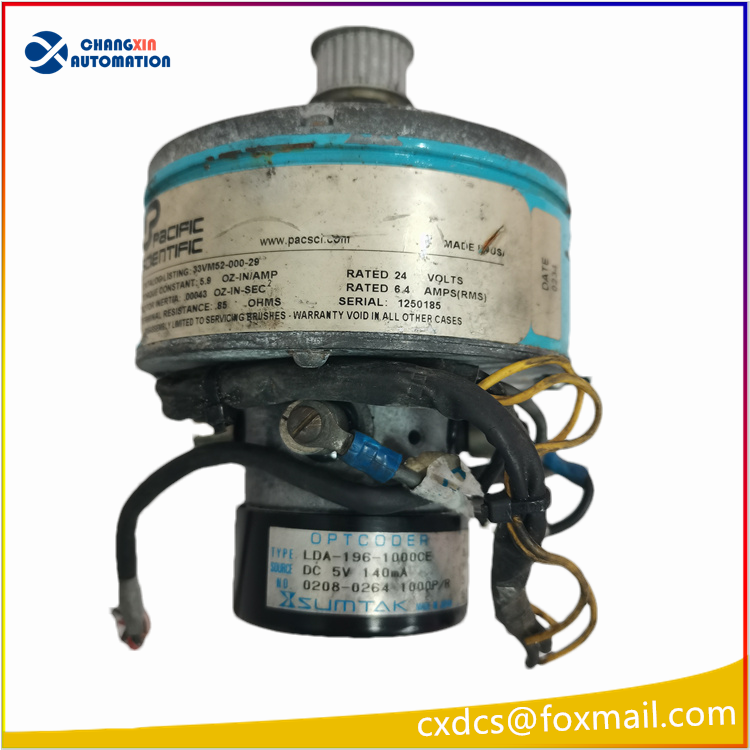

PCB Piezotronics 176M18
Product: UHT-12™ High Temperature Charge Output Dynamic Pressure Sensor (Charge Mode)
Manufacturer: PCB Piezotronics (IMI Sensors under Amphenol), USA Manufacturing
Mainly used for monitoring combustion pulsation and combustion instability in gas turbine combustion chambers, as well as for maintenance spare parts for power plant gas turbines; it belongs to the 176-M series differential charge output sensor, without built-in ICP amplification circuit.
Basic Information
Model: 176M18
Sensing Element: UHT-12™ High Temperature Piezoelectric Crystal, resistant to thermal emission noise, capable of continuous operation at high temperatures without cooling
Output Mode: Differential Charge Output (High Impedance), requires an external charge amplifier, cannot be directly connected to a common acquisition card / ICP conditioner
Electrical Connectors: 7/16 – 27 Two-pin Connector
Shell: Nickel Alloy, fully welded airtight seal
Origin: USA
Typical Applications: Dynamic Pressure Oscillation Monitoring in Gas Turbine Combustion Chambers; Industrial Gas Turbines, High-Frequency Pressure Pulse Measurement of Compressors
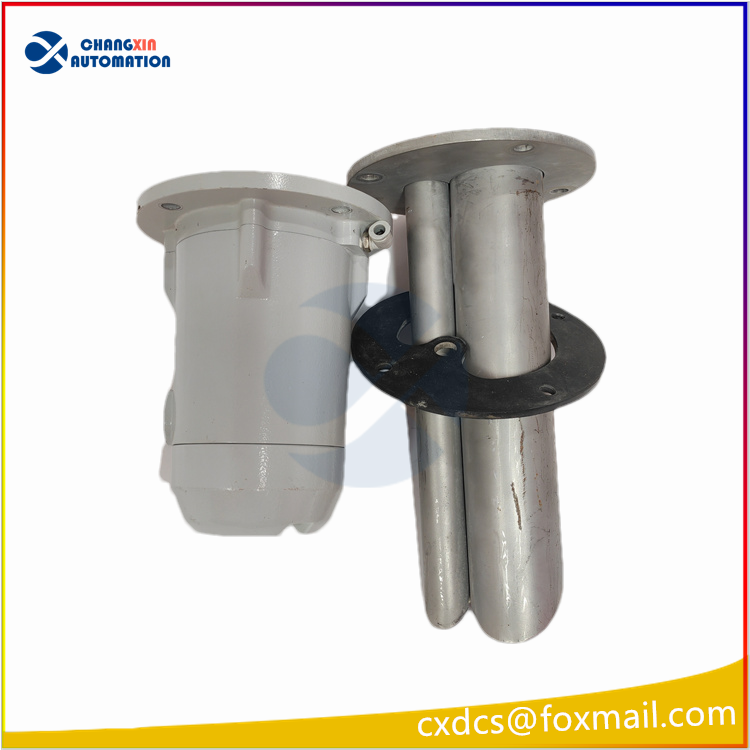
Core Technology Specifications (176-M Series Common, 176M18 Physical Tag Confirmation Sensitivity / Range)
Table
Item Parameter
Continuous Operating Temperature -70℃ ~ +530℃ (No forced cooling required)
Output Type Differential Charge Output
Insulation Resistance At room temperature ≥ 1×10¹² Ω; at 530℃ high temperature ≥ 50 kΩ
Installation Threaded installation, flush / recessed installation
Matching Cable Only hard-wired high-temperature armored cables (Hard-line cable) are required. Ordinary low-noise cables cannot withstand 530℃ high temperature and will introduce a large amount of noise and insulation deterioration
Acceleration Compensation Internal acceleration compensation to reduce measurement errors caused by body vibration
Non-linearity ≤1% FS (Typical)
Frequency Characteristics The lower limit of low-frequency is determined by the coupling method of the charge amplifier; the upper limit of high-frequency is determined by the resonant frequency of the sensor

There are no reviews yet.