


I. Basic Material Information
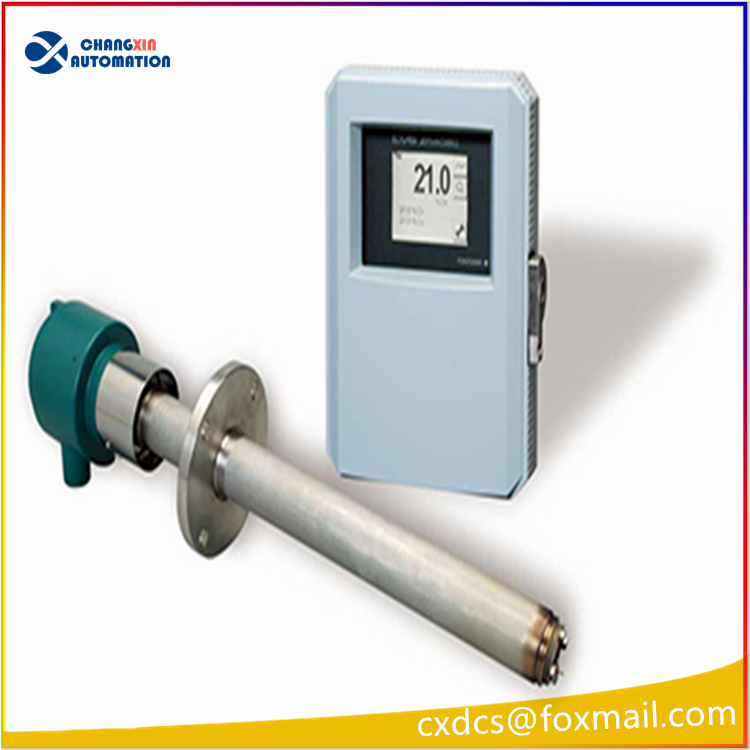
Equipment Full Name: EXAxt ZR402G Separation Type Zirconia Oxygen Analyzer (Transmitter / Converter)
Matching Probe: Must be paired with the ZR22G series insert-type zirconia probe. The probe is inserted into the flue to directly measure the oxygen content in the flue gas.
Product Status: The original factory has ceased production in November 2021. Upgrade replacement models: ZR802G, ZR22G new series
Protection Grade: IP66/NEMA4X, aluminum alloy housing, can be wall-mounted in outdoor cabinets
Power Supply: 85~264V AC wide voltage, 45/66Hz universal industrial power supply
Core Technical Parameters
1. Measurement Specifications
Measurement Range: 0~5% vol ~ 0~100% vol O₂, customizable, supports linear / logarithmic 4-20mA output
Flue Gas Operating Temperature: Normal 0~700℃; optional high-temperature sheath for the highest measurement of 1871℃ in flue gas Yokogawa Electric Corporation
Probe Insertion Length: 0.15m/0.4m/0.7m/1.0m/1.5m/2.0m/2.5m/3.0m, multiple specifications available
Flue Gas Pressure: -5~+250kPa, for high-pressure conditions, a pressure compensation module must be selected Yokogawa Electric Corporation
2. Signals and Communication
Analog Output: Dual channels isolated 4~20mA DC, maximum load 550Ω, can separately output oxygen content and temperature signals Yokogawa Electric Corporation
Digital Communication: Built-in HART protocol, supports remote parameter configuration, fault diagnosis, range modification
Switch Contacts: 4-channel relay contact outputs (30VDC/3A, 250VAC/3A), configurable for high and low oxygen alarms, faults, calibration, maintenance alarms, with delay and hysteresis functions
Input Signals: 2-channel passive contact input, can remotely trigger automatic calibration, hold output
3. Environment and Materials
Transformer Working Temperature: -20℃~+55℃; Probe Body Temperature Resistance: -20℃~150℃
Probe Material: SUS316 stainless steel, corrosion-resistant, suitable for coal-fired, gas-fired, boiler, kiln flue gas
Reference Gas Source: Instrument compressed air, gas consumption approximately 1NL/min, pressure stable at around 50kPa
System Composition and Working Principle
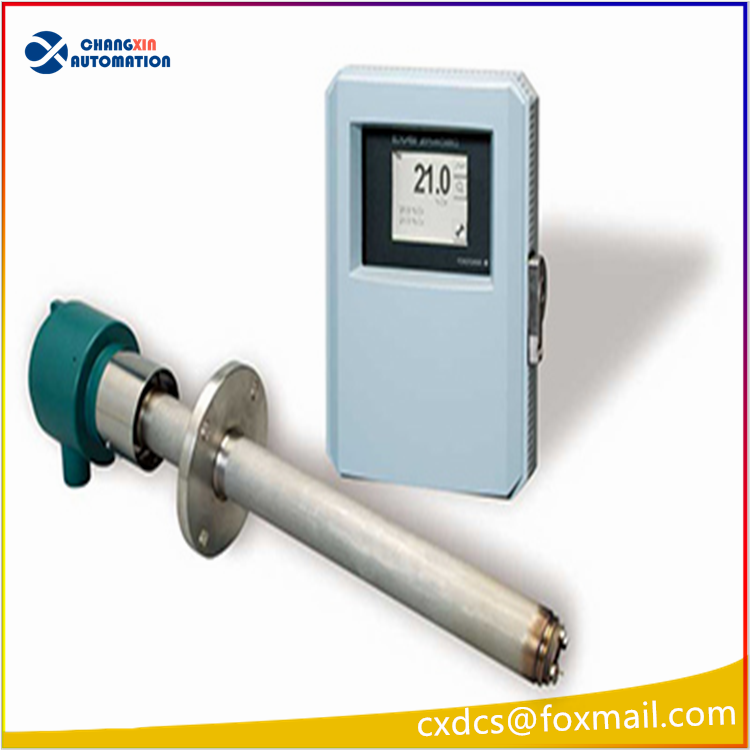
The entire system is composed of two parts for separate installation:
ZR402G (Wall-mounted Converter): Placed in the local control cabinet, provides heating and power supply for the probe, collects zirconia cell voltage signals, calculates oxygen concentration, displays locally on LCD, and transmits to DCS, equipped with full-function self-diagnosis
ZR22G Insert-type Zirconia Probe: Directly inserted into the flue of boilers / waste heat boilers, equipped with zirconia sensor, heating wire, thermocouple, connected through high-temperature cable to ZR402G
Measurement Principle: Different oxygen partial pressures on both sides of the zirconia ceramic generate Nernst voltage, the transmitter converts the voltage to flue gas oxygen concentration for boiler air-fuel ratio optimization, energy-saving combustion control, and environmental flue gas monitoring.
Core Functions
High-precision On-site Measurement: No need for pre-treatment of flue gas, direct insert-type in-situ measurement, fast response speed
Automatic / Manual Calibration: Supports zero point and range standard gas calibration, optional ZR40H automatic calibration component
Complete Fault Self-Diagnosis: Fault codes for zirconia cell damage, heating anomaly, thermocouple failure, EEPROM anomaly, calibration failure, etc. are displayed, and trigger fault relays for alarms. Output retention function: Locks the 4-20mA output in calibration and fault conditions to prevent DCS system misoperation.
Process temperature synchronization monitoring: Synchronously collects the thermocouple temperature of the probe and provides a single analog output.
Typical Application Scenarios
Online monitoring of oxygen content in flue gas of thermal power plants, gas-fired boilers, biomass boilers, and waste heat boilers
Optimization of combustion conditions and energy-saving and emission reduction control for heating furnaces in petrochemicals, metallurgical kilns, and heat treatment furnaces
Monitoring of oxygen content in flue gas from waste incinerators, cement rotary kilns, and the inlet of denitrification systems in power plants
Monitoring of oxygen content in inert atmosphere protection and in heat treatment furnaces

There are no reviews yet.